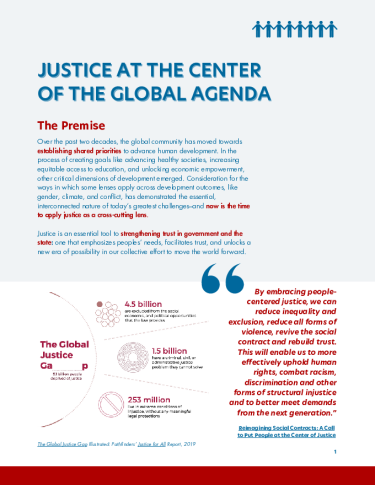

What does access to justice mean? The Justice for All report makes it clear that access to justice is more than access to courts and formal legal systems. It is about the ability of people to prevent and resolve their most common justice problems, using a range of formal and informal justice systems and actors. Closing the global justice gap requires us to put people at the center of justice.
Every day, people around the world experience challenges related to violence, disputes over land and property, with neighbors, within family, or related to employment, money, or debt. They face challenges in accessing basic services like health, education, housing, sanitation, water, electricity, legal identity, or benefit payments. Rising conflicts, climate change, and economic hardships have only exacerbated these. Access to justice is essential to empower and support people to address their most pressing needs and to remain resilient in challenging times.
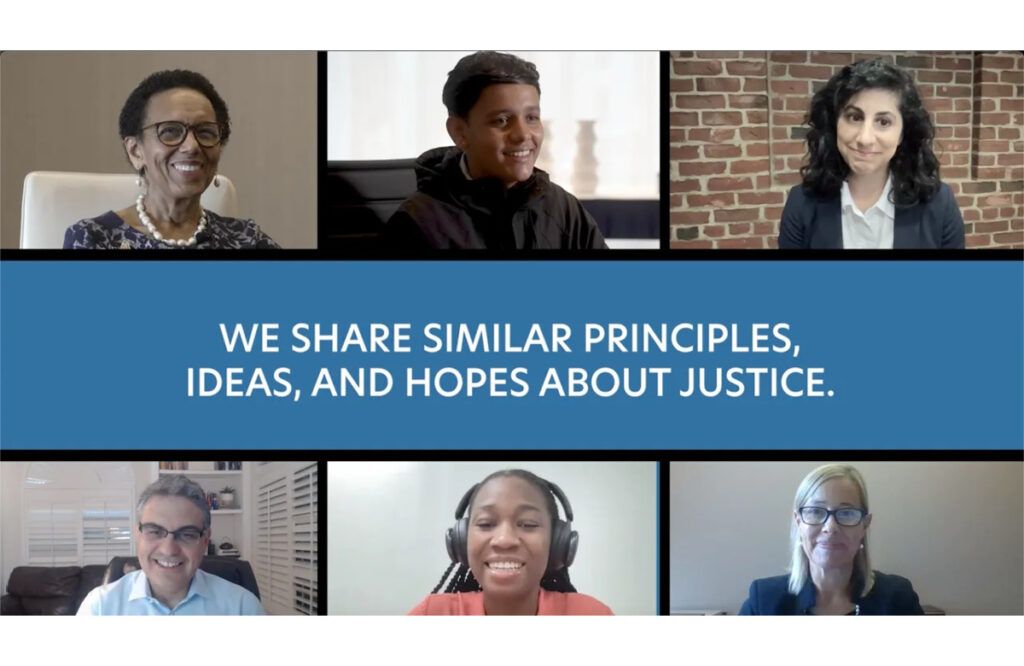
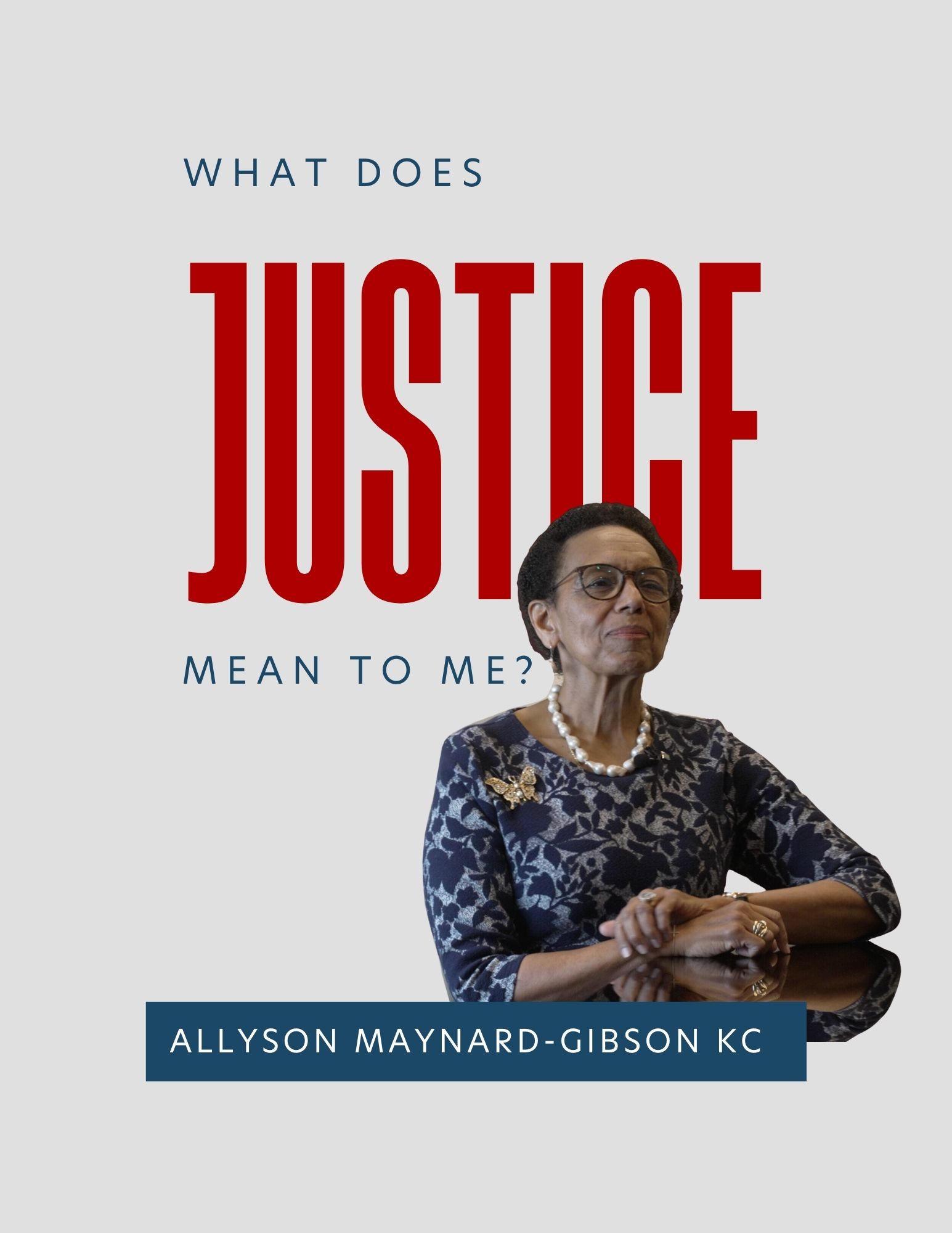
Ensuring equal access to justice for all is essential advancing the global development agenda. This series explores the question, what does justice mean to people? In doing so, it unpacks the concept of people-centered justice. It aims to demonstrate that people-centered justice is a viable approach for closing the global justice gap and enabling the achievement of the seventeen Sustainable Development Goals.